Personalized Medical Care & Dedicated International Patient Concierge


Medical Guide
Combining Business Travel With a Seoul Health Check-Up
How to fit a health check-up into a Seoul business trip: scheduling around meetings, the clinic's Gangnam location, Korea entry basics, and result timing.
Schedule a ConsultationCombining Business Travel With a Seoul Health Check-Up
Medically reviewed by Dr. Seo Young Mee, Founder & Medical Director, Cheongdam Idun Clinic
If your work already brings you to Seoul, a business trip can be a practical time to take care of a health check-up you have been meaning to schedule. Many international travelers find that a few hours built into an existing itinerary is easier to arrange than a dedicated medical trip from home. This article walks through how to think about combining meetings with a check-up in a sensible way: how to sequence appointments around your working days, what to know about the clinic's location in Gangnam, what a check-up day tends to involve, and the entry basics that apply to U.S. citizens right now. It does not quote prices or promise any particular result, and it is not a substitute for a conversation with the clinic about your specific plans.
Why a Working Trip to Seoul Can Include a Check-Up
Traveling internationally for medical care is common enough that the CDC maintains dedicated guidance on it, and the same principles apply whether the medical visit is the purpose of your trip or an add-on to a business one. The core advice is to plan ahead, understand what the visit will and will not cover, and keep good documentation of any care you receive so you can share it with your regular physician at home. A check-up folded into a business trip is a modest, low-intensity example of this, but the planning mindset still matters.
There are genuine conveniences to timing a check-up around meetings you are already attending. You are on the ground, you have accommodation arranged, and you may have a lighter day or two that a preventive appointment can fill. At the same time, a check-up is still a medical appointment, not an errand. It works best when you give it enough space in your schedule that you are not rushing from a fasting blood draw straight into a boardroom, and when you have shared enough background with the clinic in advance for the visit to be useful. Setting expectations early, rather than treating the appointment as something to squeeze in, is what makes the combination work.
Fitting the Check-Up Into a Busy Itinerary
The most common practical question is where in the trip the appointment should sit. If your check-up involves fasting blood work, a morning slot near the start of your stay often works well: you can complete the fasting portion before your day fills up, and you leave room later in the trip for any follow-up conversation once results are ready. Scheduling the medical portion early also means that if the clinic recommends an additional test or a repeat measurement, you may still be in the city to arrange it.
It also helps to protect the appointment from the natural creep of a working calendar. Meetings run long, dinners get added, and jet lag can make early mornings harder than expected. Building a buffer around the check-up, rather than booking a meeting to start ten minutes after it, reduces the chance that you arrive rushed or have to reschedule. Because the clinic supports international patients and handles English inquiries before arrival, it is worth confirming your preferred date and time well ahead through the clinic's channels rather than assuming a same-week slot will be open. You can begin that conversation through the Cheongdam Idun Clinic website, which is the right place to confirm current availability and process.
The Clinic's Location in Gangnam
Cheongdam Idun Clinic is located at 2F, Taewang Building, 226 Teheran-ro, Gangnam-gu, Seoul. Teheran-ro is one of the main business corridors in Gangnam, an area where many corporate offices, conference venues, and hotels are concentrated, so for a lot of business travelers the clinic is already close to where their meetings and lodging sit. That proximity is part of what makes an add-on check-up realistic: the travel time between a working appointment and the clinic may be short.
Rather than relying on a general description, it is best to confirm the exact directions, the most convenient way to arrive on your particular day, and any parking or access details directly with the clinic when you book. Traffic and transit conditions in central Seoul vary by time of day, and the clinic can advise on the most practical route from where you are staying. Treating the address as a starting point for that conversation, rather than as full turn-by-turn instructions, will save you time on the day of your visit.
What a Check-Up Day Might Look Like
A considered health check-up is built around a few dependable elements, and understanding them helps you plan the day. As Mayo Clinic describes, a physical exam is typically an opportunity to review your medical and family history, check vital signs such as blood pressure, discuss current concerns and lifestyle, and decide, based on your age and risk, which tests and screenings are appropriate. The conversation is often the most valuable part, so it helps to arrive with your questions and history in mind rather than treating the visit as a series of measurements alone.
If blood work is part of your plan, you may be asked to fast beforehand, which is one reason a morning appointment early in the trip is convenient. At Cheongdam Idun Clinic, English-speaking support is available and consultations are coordinated with English assistance, and a free pre-arrival virtual consultation by video can be arranged so that you and the clinic are aligned before you land. Using that pre-arrival conversation to clarify what your check-up will include, whether fasting is required, and roughly how long to set aside makes the on-site visit smoother. The specific components of any check-up are a clinical decision made with a physician, not a fixed package, so the pre-arrival discussion is where the shape of your visit is best settled.
Understanding Lab Results and Timing
One of the most important things to plan around is when results will be available, because it affects whether you can review them in person before you fly home. Laboratory turnaround is typically a few days, but this depends on the specific tests ordered, and you should confirm the expected timing directly with the clinic for your situation rather than assuming a fixed schedule. Some straightforward results may come back sooner, while more specialized tests can take longer.
This matters for a business traveler with a fixed departure date. If reviewing your results face to face is important to you, mention that when you book, so the clinic can advise whether an early-in-the-trip appointment makes an in-person review realistic. If your schedule does not allow it, ask how results will be shared afterward and how any follow-up questions will be handled once you are back home. Keeping a copy of your results is also sensible so that your regular physician can incorporate them into your ongoing care, which echoes the CDC's general advice to document any care received abroad and share it with your usual providers.
Entry Basics for U.S. Travelers
Entry rules change, so treat the following as orientation and verify the current details before you travel. As of now, U.S. citizens are within a temporary period during which the K-ETA (Korea Electronic Travel Authorization) is not required for short visits; this exemption is in effect through December 31, 2026, and the K-ETA is expected to be required again for eligible travelers from January 1, 2027. Even during the exemption, travelers who arrive without a K-ETA are generally expected to complete the e-Arrival Card, a free online declaration that can be submitted before your flight. Because these arrangements can be updated, confirm the current requirements with the Korean embassy or consulate and official sources close to your travel date.
For the trip itself, review the U.S. Department of State's country information for South Korea, which covers entry and exit requirements and other practical guidance for American travelers. One detail worth flagging for a medical-related trip: some prescription medications are restricted in Korea and may require preapproval, so if you take regular medication, check the rules before you pack. None of this is legal or immigration advice; it is a prompt to verify the specifics through official channels, since the responsibility for meeting entry requirements rests with the traveler.
Making the Trip Work for You
The value of combining business travel with a check-up comes down to preparation. Gathering your personal and family medical history, a current list of medications and supplements, and any recent test results before you travel makes the appointment more productive and helps the clinic tailor it to you. Sharing that information during a pre-arrival virtual consultation means less time spent on background during the visit and more on what matters for your health.
It also helps to be realistic about scope. A check-up during a working trip is a snapshot in time and a chance to plan sensible prevention; it is not a guarantee of health, and outcomes vary from person to person. If something is flagged, the useful next step is a clear plan you can act on, whether in Seoul or with your physician at home. To confirm scheduling, the intake process, and what your visit could include, reach the care team through the Cheongdam Idun Clinic contact page. Routing the specifics of your itinerary through the clinic, rather than assuming details in advance, is the surest way to make the check-up fit your trip.
The Bottom Line
- A business trip to Seoul can be a practical time to add a health check-up, provided you plan it deliberately rather than squeezing it between meetings.
- Scheduling fasting blood work for a morning early in your stay leaves room for any follow-up while you are still in the city.
- Cheongdam Idun Clinic is located on Teheran-ro in Gangnam, near many business venues; confirm exact directions and availability with the clinic when you book.
- Lab-result turnaround is typically a few days but varies by test, so confirm timing with the clinic if an in-person review before departure matters to you.
- U.S. citizens are currently K-ETA-exempt through December 31, 2026, with the e-Arrival Card generally required and the K-ETA expected to return on January 1, 2027; verify current rules before you travel, and remember that outcomes vary.
Frequently Asked Questions
When in my trip should I schedule the check-up?
For most travelers, a morning appointment near the start of the trip works well, especially if fasting blood work is involved. Scheduling early leaves room for any recommended follow-up or repeat test while you are still in Seoul. Confirm available times with the clinic in advance, since same-week slots are not guaranteed.
Will my lab results be ready before I fly home?
Laboratory turnaround is typically a few days, but it depends on the specific tests ordered, so confirm the expected timing directly with the clinic. If reviewing results in person matters to you, mention your departure date when you book. If the timing does not work, ask how results and any follow-up questions will be handled after you return home.
Do I need a K-ETA to enter Korea for this trip?
U.S. citizens are within a temporary K-ETA exemption that runs through December 31, 2026, and the K-ETA is expected to be required again from January 1, 2027. Travelers arriving without a K-ETA are generally expected to complete the free e-Arrival Card before their flight. Because rules can change, verify the current requirements with official Korean sources close to your travel date.
Where is the clinic, and is it near business districts?
Cheongdam Idun Clinic is at 2F, Taewang Building, 226 Teheran-ro, Gangnam-gu, Seoul, on one of Gangnam's main business corridors where many offices, venues, and hotels are located. Travel time from your meetings or hotel may be short. Confirm the most convenient route and access details with the clinic before your visit.
Can the clinic support me in English before I arrive?
Yes. The clinic offers English-speaking support, handles English inquiries before arrival, and can arrange a free pre-arrival virtual consultation by video. Using that conversation to align on your check-up, fasting requirements, and how long to set aside makes the on-site visit smoother.
Is a check-up during a business trip enough on its own?
A check-up is a useful snapshot and a chance to plan prevention, but it does not guarantee health or replace ongoing care with your regular physician. Keep a copy of your results to share at home, and follow up on anything that is flagged. Outcomes vary, and only an individual medical evaluation can determine what is appropriate for you.
This article is for general educational purposes only and is not individualized medical, legal, or customs advice, and it is not a self-diagnosis tool. Entry requirements and the components and timing of any check-up can change and should be verified with official sources and a qualified physician; screening outcomes vary from person to person. Always consult a licensed clinician and confirm current travel rules through official channels for your specific situation.
More Articles
Continue reading our clinical guides.

Functional Medicine Panel in Seoul Cheongdam Idun Clinic
Discover what is included in a comprehensive functional medicine panel at Cheongdam Idun Clinic in Seoul. Expert biomarker testing led by Asan trained doctors.
Learn More

Botox Seoul 2026: Costs Results And Expert Clinic Guide
Discover the definitive 2026 guide to botox Seoul at Cheongdam Idun Clinic. Get expert insights on costs results and safety from Asan Medical Center specialists.
Learn More
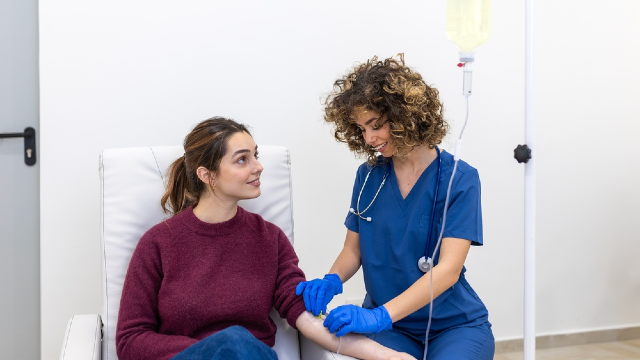
NAD+ IV Therapy for Cellular Energy: An Honest Primer
Learn how NAD+ IV therapy is marketed for cellular energy and aging, what the limited evidence shows, why it is not FDA-approved, and the risks to weigh.
Learn More