Personalized Medical Care & Dedicated International Patient Concierge

Medical Guide
GLP-1 Access and Supply: Korea vs the United States
Understand GLP-1 medication access and supply in Korea versus the US: past shortages, FDA-approved uses, prescription rules, and why supervision matters.
Schedule a ConsultationGLP-1 Access and Supply: Korea vs the United States
Medically reviewed by Dr. Jeong Seo In, Board-Certified Internal Medicine Specialist, Cheongdam Idun Clinic
GLP-1 medications have become some of the most talked-about treatments in metabolic health, and along with the attention has come a steady stream of questions about how to get them. In the United States, many people have lived through periods of frustrating shortages and uneven insurance coverage. Some then wonder how access compares in other countries, including Korea. This article looks at that comparison in an educational way, focused on how access and supply are organized rather than on where to find a bargain.
There are no prices here, and no claims that one country is cheaper than another. Instead, the goal is to explain the regulatory and supply context in the United States, describe what a medically supervised access model looks like, and, above all, be precise about what these medicines actually are, what they are approved for, and why they require a prescription and ongoing supervision. Nothing in this article is medical advice or a substitute for care from your own physician.
What GLP-1 medications are, precisely
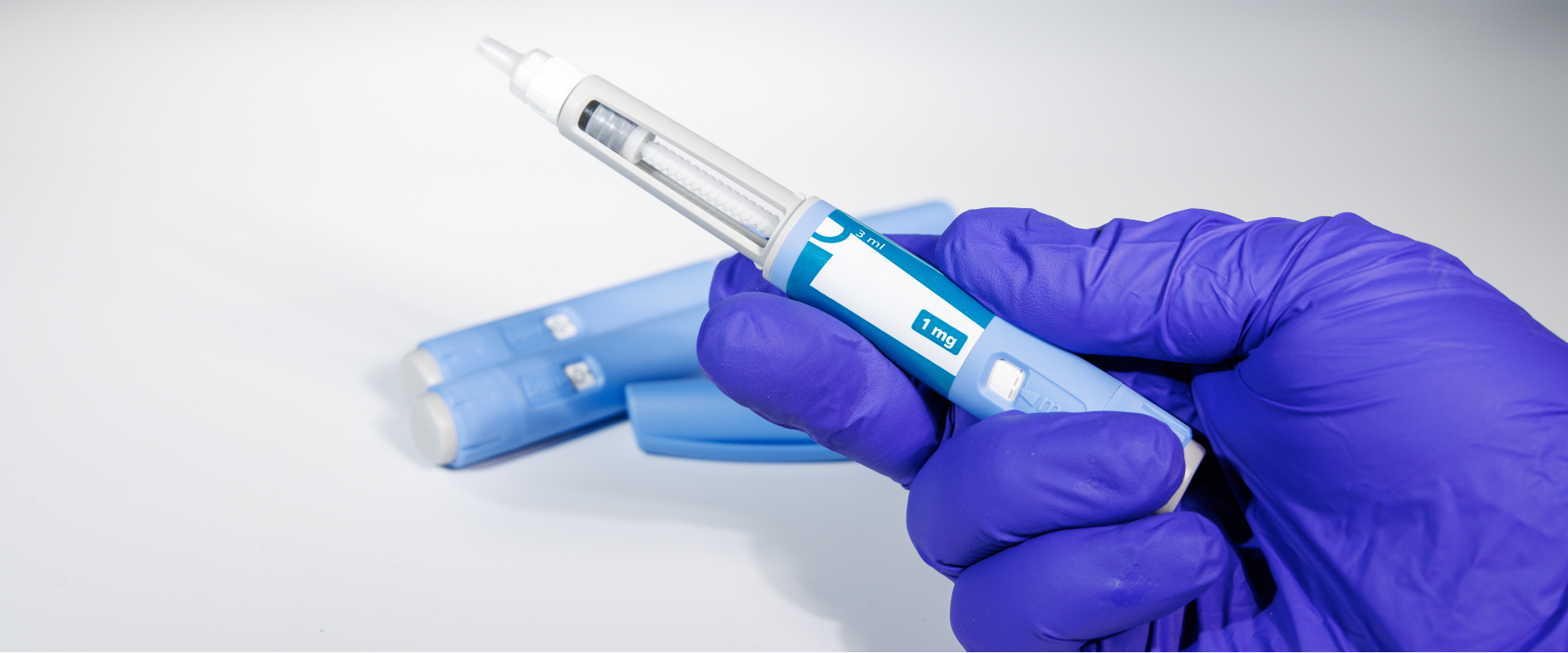
GLP-1 stands for glucagon-like peptide-1, a hormone released after eating that helps regulate appetite and blood sugar. Medicines in this family mimic or build on that pathway, and some act on a second gut-hormone pathway as well. They are prescription injectable or, in some cases, oral medicines, not supplements and not cosmetic products.
Precision matters here because the same active ingredient can appear in different brands approved for different conditions. Stating the United States regulatory status plainly:
- Wegovy (semaglutide) is approved by the United States Food and Drug Administration (FDA) for chronic weight management in eligible patients, alongside a reduced-calorie diet and increased physical activity.
- Saxenda (liraglutide) is FDA-approved for chronic weight management in eligible patients, also as part of diet and activity changes.
- Mounjaro (tirzepatide) is FDA-approved for type 2 diabetes.
- Zepbound (tirzepatide) is FDA-approved for chronic weight management.
- Ozempic (semaglutide) is FDA-approved for type 2 diabetes.
One distinction is worth stating on its own because it is so often blurred. In the United States, Mounjaro (tirzepatide) is FDA-approved for type 2 diabetes, while the tirzepatide product FDA-approved for chronic weight management is Zepbound. They share the same active ingredient but carry different approved uses. Keeping brand names and approved indications straight is essential when reading anything about these medicines.
Access and supply in the United States
For much of the recent past, access in the United States was shaped less by rules and more by simple availability. Demand for semaglutide and tirzepatide products rose faster than manufacturers could supply them, and the FDA listed these medicines as being in shortage. Semaglutide injection products were in shortage from 2022, and tirzepatide injection was likewise in shortage from 2022 due to increased demand.
That picture has since shifted. According to the FDA, the tirzepatide injection shortage was determined to be resolved in December 2024, and the agency announced in February 2025 that the semaglutide shortage was resolved after manufacturers confirmed they could meet national demand. The FDA also cautioned that patients and prescribers might still see intermittent, localized supply disruptions as products move through the supply chain, even after a shortage is officially resolved.
Supply is only one part of United States access. Coverage is the other, and it varies widely. Whether a given medicine is covered can depend on the specific plan, the diagnosis, and whether the product is being used for its approved indication. Coverage for weight-management medicines in particular has been inconsistent, which is one reason access can feel uneven even when the drug is physically available. A medicine approved for type 2 diabetes may be treated very differently by a plan than the same or a related medicine used for weight management, and the requirements can change over time. The details of any individual person's coverage are a matter for that person and their insurer, and are beyond the scope of this article. What is worth understanding is that in the United States, availability on a pharmacy shelf and coverage under a plan are two separate hurdles, and either one can shape whether a person actually starts treatment.
During the shortage period, some patients turned to compounded versions of these drugs. It is important to understand that compounded drugs are not FDA-approved and do not go through the FDA's review for safety, effectiveness, and quality. As shortages resolved, the FDA reminded compounders of the legal limits on making copies of approved drugs. This is a meaningful safety point rather than a pricing one: an FDA-approved product has been reviewed in ways a compounded copy has not.
What a medically supervised access model looks like
Whatever the country, the responsible way to access a GLP-1 medicine is the same: through a prescription, based on an individual medical evaluation, with ongoing supervision. This is not a formality. These are potent prescription medicines with real contraindications and side effects, and the value of a supervised model is that a physician decides whether treatment is appropriate, chooses among options, and monitors you over time.
In a supervised model, a clinician reviews your full medical history, current medications, and relevant family history before prescribing. Appropriate baseline assessment and follow-up are part of the plan. The medicine is started at a low dose and increased gradually to help reduce side effects, and treatment is reviewed regularly. Because the effects of these medicines depend on ongoing use, and because weight regain is common after stopping, long-term planning is part of responsible care rather than an afterthought.
At Cheongdam Idun Clinic, weight-management options including Wegovy, Mounjaro, and Saxenda are offered within physician-led, individualized care rather than selected from a menu. The point of a supervised model is not convenience for its own sake; it is that a qualified physician stands between a patient and a prescription, which is exactly where responsible medicine places that decision. If you want to understand how supervised metabolic care is organized, you can reach out through the clinic contact page.
Prescription, monitoring, and safety
Because these are prescription medicines, safety considerations shape how they are used. A few points apply broadly across the class.
The most common side effects are gastrointestinal: nausea, vomiting, diarrhea, constipation, and abdominal discomfort. These tend to be most noticeable early in treatment or when the dose is increased, and they often ease over time, which is part of why doses are raised slowly.
There are also important safety considerations that require physician oversight. These medicines carry a warning regarding a personal or family history of medullary thyroid carcinoma, a type of thyroid cancer, or the genetic condition multiple endocrine neoplasia syndrome type 2 (MEN 2); people with such a history are generally not candidates for these treatments. Rare but serious problems, including pancreatitis and gallbladder disease, can occur, so clinicians monitor for symptoms and consider thyroid and pancreatic risk as part of the evaluation. These medicines are not recommended during pregnancy or when planning a pregnancy. Because they can slow stomach emptying, they may affect how other oral medicines are absorbed.
None of this can be managed responsibly through a brief online questionnaire. It is the reason a proper evaluation and continuing supervision are central to any legitimate access model, in Korea or the United States.
Making sense of the comparison
So how do Korea and the United States compare on access? The honest, non-promotional answer is that the core principles are the same in both places: these are prescription medicines that require evaluation and supervision, and no responsible model hands them out without that. What has differed is context. The United States has recently emerged from a multi-year period of shortages, and coverage there remains variable. A supervised clinical model, wherever it operates, is defined less by geography than by the presence of a qualified physician making an individualized decision and monitoring the result.
For patients weighing their options, the useful takeaway is not that one country is better or cheaper, but that the questions to ask are the same everywhere: Is there a proper medical evaluation? Is the product an approved medicine used for an appropriate purpose? Is there ongoing monitoring? Those questions matter far more than any headline about availability. You can learn more about the clinic's approach to metabolic care on the Cheongdam Idun Clinic website.
Frequently Asked Questions
Are Wegovy and Ozempic the same medicine?
Both contain the active ingredient semaglutide, but they are different products with different FDA-approved uses. Wegovy is FDA-approved for chronic weight management, while Ozempic is FDA-approved for type 2 diabetes. A prescribing physician determines which product, if any, is appropriate after an evaluation.
Is Mounjaro approved for weight loss in the United States?
In the United States, Mounjaro (tirzepatide) is FDA-approved for type 2 diabetes. The tirzepatide product FDA-approved for chronic weight management is Zepbound. They share the same active ingredient but carry different approved indications, which is a common source of confusion.
Are the GLP-1 shortages over?
According to the FDA, the tirzepatide injection shortage was determined to be resolved in December 2024, and the semaglutide shortage was announced as resolved in February 2025. The FDA has noted that intermittent, localized supply disruptions may still occur as products move through the supply chain. Current status is best checked against the FDA's own information.
Why do these medicines require a prescription and supervision?
These are potent prescription medicines with real contraindications, such as a personal or family history of medullary thyroid carcinoma or MEN 2, and side effects that need monitoring. A physician decides whether treatment is appropriate, selects among options, and follows you over time. That oversight is what makes access responsible rather than a convenience.
Are compounded versions of these drugs the same as the branded medicines?
No. Compounded drugs are not FDA-approved and do not go through the FDA's review for safety, effectiveness, and quality that approved products undergo. During shortages some patients used compounded versions, but as shortages resolved the FDA reminded compounders of the legal limits on copying approved drugs. This is a safety consideration to discuss with a physician.
Can I decide which GLP-1 is right for me on my own?
No. The right choice, if any, depends on your individual health profile, medical history, and goals, and it is a decision to make with a qualified physician after a thorough evaluation. These medicines are not cosmetic and are not one-size-fits-all. Self-directed use without supervision is not appropriate.
The Bottom Line
- GLP-1 medicines are prescription treatments, not supplements or cosmetic products, and require an individual evaluation and ongoing supervision in any country.
- In the United States, Wegovy (semaglutide) and Saxenda (liraglutide) are FDA-approved for chronic weight management; Mounjaro (tirzepatide) and Ozempic (semaglutide) are FDA-approved for type 2 diabetes; and Zepbound (tirzepatide) is FDA-approved for chronic weight management.
- The United States recently emerged from multi-year semaglutide and tirzepatide shortages, now reported by the FDA as resolved, though coverage remains variable and localized disruptions can occur.
- A medically supervised access model, wherever it operates, is defined by a qualified physician making an individualized decision and monitoring for side effects and contraindications.
- Compounded copies are not FDA-approved; approved medicines used for appropriate purposes, under supervision, are the responsible path.
This article is for educational purposes only and is not medical advice. It is not a self-diagnosis tool. Regulatory status reflects United States FDA information at the time of writing, some uses differ by product, and individual outcomes vary. Always consult a qualified physician before starting, changing, or stopping any treatment.
More Articles
Continue reading our clinical guides.

Functional Medicine Panel in Seoul Cheongdam Idun Clinic
Discover what is included in a comprehensive functional medicine panel at Cheongdam Idun Clinic in Seoul. Expert biomarker testing led by Asan trained doctors.
Learn More

Botox Seoul 2026: Costs Results And Expert Clinic Guide
Discover the definitive 2026 guide to botox Seoul at Cheongdam Idun Clinic. Get expert insights on costs results and safety from Asan Medical Center specialists.
Learn More

NAD+ IV Therapy for Cellular Energy: An Honest Primer
Learn how NAD+ IV therapy is marketed for cellular energy and aging, what the limited evidence shows, why it is not FDA-approved, and the risks to weigh.
Learn More