Personalized Medical Care & Dedicated International Patient Concierge

Medical Guide
How to Prepare for Your Functional Medicine Testing
What to prepare before your functional medicine testing appointment, including fasting windows, biotin timing, hydration, and jet-lag effects on results.
Schedule a ConsultationHow to Prepare for Your Functional Medicine Testing
Medically reviewed by Dr. Jeong Seo In, Board-Certified Internal Medicine Specialist, Cheongdam Idun Clinic
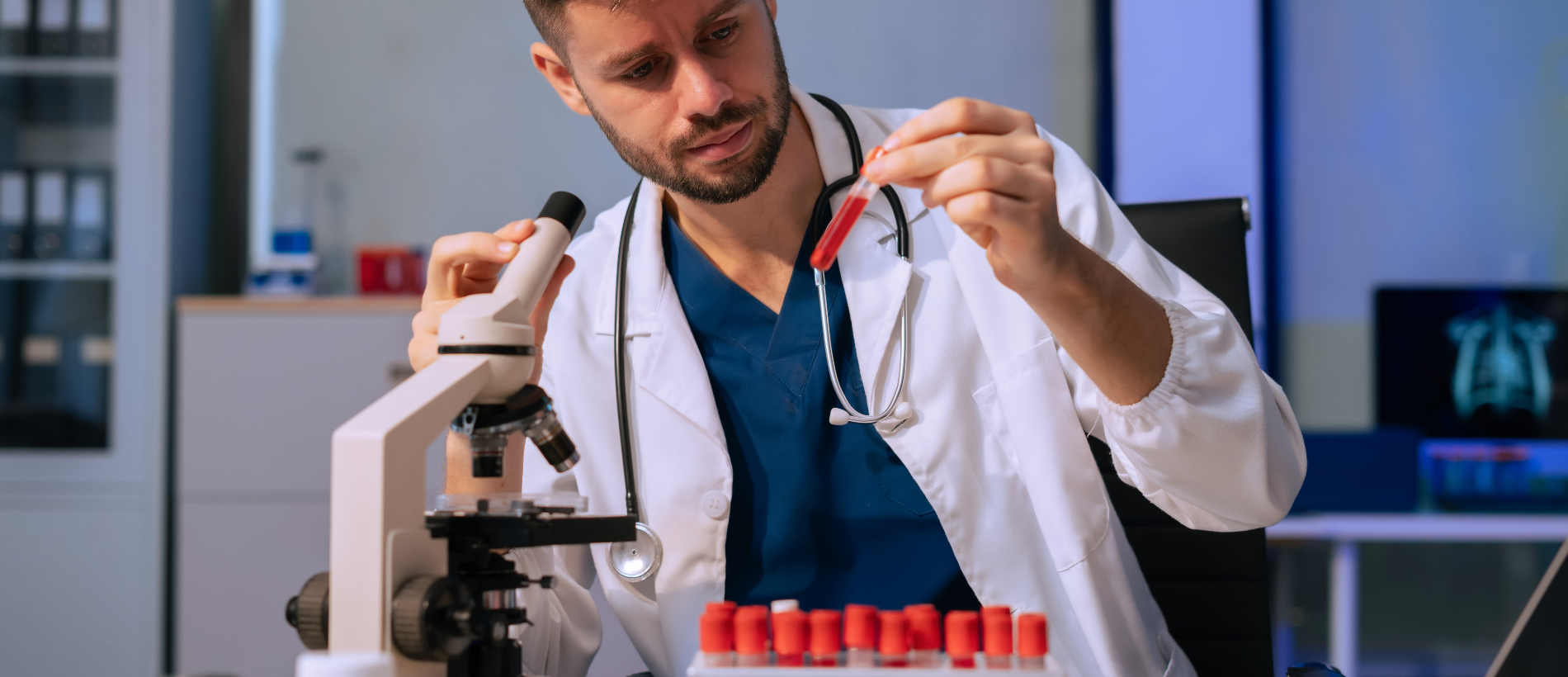
Functional medicine testing often involves more than a single tube of blood. Depending on what your physician orders, an appointment may include fasting blood work, thyroid and hormone panels, cortisol assessment, body composition analysis, and other measures. Because several of these tests are sensitive to what you eat, drink, and do beforehand, a little preparation can make the difference between results that reflect your true baseline and results that are muddied by an avoidable factor.
This article walks through the main areas of preparation in plain language: fasting, biotin, hydration, sleep, and medications. It is educational rather than a set of personal instructions, because the exact requirements always depend on the specific tests you are having. The single most important step is to confirm the details with your clinic before your appointment, since preparation that helps one test can be irrelevant, or occasionally counterproductive, for another.
Why Preparation Affects Your Results
Laboratory tests measure your body at a moment in time, and that moment can be influenced by recent choices. A meal can raise certain fats and glucose in your blood. A supplement can interfere with the chemistry of an assay. Dehydration can concentrate a sample and complicate a blood draw. Poor sleep and travel stress can shift hormones such as cortisol. None of these factors make you unhealthy; they simply add noise to the signal your physician is trying to read.
The goal of preparation is to reduce that noise. When you arrive in a representative state, your results are more likely to reflect your everyday physiology, which is what your physician needs to give you meaningful guidance. Preparation is not about gaming the numbers; it is about making them honest.
It also helps to remember what functional testing is and is not. Some panels used in this setting are validated diagnostic tools, while others are not cleared or validated for general screening and are best read as context rather than as a definitive diagnosis. Certain markers describe risk or probability rather than a specific condition. Preparing well does not change which category a test falls into, but it does ensure that whatever category applies, the result your physician interprets is a clean one. That, in turn, makes the follow-up conversation more useful, because you and your physician can focus on what the numbers mean rather than wondering whether a preventable factor distorted them.
Fasting: What and How Long
Several common tests, including certain lipid and glucose measures, are affected by recent food, which is why fasting is often requested. A frequently used window for fasting blood work is roughly eight to twelve hours, but the right duration depends on the specific tests your physician ordered, so treat any number as a general reference and confirm your own instructions with the clinic.
During a fasting window, plain water is generally acceptable and, in fact, encouraged for hydration, though you should confirm this for your particular tests. What usually needs to wait is food, along with caloric and flavored drinks, and often coffee, tea, and gum, since these can affect some results. If you take prescription medications, do not stop them to fast without first asking your physician, because the risk of skipping a needed medication can outweigh any testing benefit. If you have diabetes or another condition that makes prolonged fasting risky, tell your clinic in advance so they can plan around it.
Pausing Biotin Before Thyroid and Other Assays
Biotin, also known as vitamin B7, deserves special attention because it is easy to overlook. The US Food and Drug Administration has warned that biotin can significantly interfere with certain laboratory tests, including thyroid and cardiac troponin assays, and can cause incorrect results that may go undetected. Depending on the test, the interference can push a result falsely high or falsely low, which is exactly the kind of hidden error that leads to confusion.
The catch is that many people take far more biotin than they realize. The daily value for biotin is only about 30 micrograms for adults, yet many supplements marketed for hair, skin, and nails contain doses many times higher, sometimes hundreds of times the daily value. Multivitamins and prenatal vitamins can also contain biotin. Because of this, pausing biotin-containing supplements before testing, according to your physician's guidance, is a reasonable and common precaution, particularly when thyroid panels are involved.
Do not simply guess at timing. How long to pause depends on the dose you take and the tests being run, and only your physician can give you a specific recommendation. Bring a full list of your supplements to the conversation so nothing is missed, and ask specifically about biotin if any of your products list it. You can arrange this discussion through the clinic's contact page before you arrive.
Hydration Matters More Than People Think
Being well hydrated helps in two practical ways. First, it makes a blood draw easier, since well-hydrated veins are easier to access, which can mean fewer attempts and less discomfort. Second, adequate hydration helps keep a blood sample from becoming overly concentrated, which can affect the accuracy of some measurements.
In most cases, drinking water before a blood draw is not only allowed but helpful, even during a fasting window. The exception is any test with specific fluid instructions, so confirm with your clinic if you are unsure. A reasonable approach for most people is to drink water normally in the hours leading up to the appointment rather than either overloading or arriving dehydrated after a long flight.
Rest, Sleep, and Jet Lag: The Cortisol Connection
For travelers coming to Seoul from the United States, jet lag is not just a comfort issue; it can influence results. Cortisol, a stress hormone that many functional panels assess, follows a daily rhythm that is tied to your sleep-wake cycle. When that cycle is disrupted by crossing many time zones, cortisol patterns can be temporarily thrown off, which may complicate the interpretation of a cortisol measurement taken too soon after arrival.
Sleep deprivation and travel stress can add to this. If your physician has ordered cortisol or other hormone testing, it is worth asking whether to allow a day or two to adjust to local time before the draw, so the results better reflect your usual state rather than the aftermath of a red-eye flight. This is one more reason many people plan a rest day into the start of a medical trip. General guidance on planning a longer medical visit is available on the Cheongdam Idun Clinic website.
Medications and Supplements to Discuss
Beyond biotin, a range of medications and supplements can affect test results or your safety during testing. The safest habit is to bring a complete, written list of everything you take, including prescription drugs, over-the-counter products, vitamins, and herbal supplements, with doses. Share it with your physician ahead of time and ask what, if anything, to pause and when.
The key principle is to never stop a prescribed medication on your own to prepare for a test. Some medications must be continued, and the decision to hold any of them belongs to your physician, who can weigh the benefit of an unaffected test against the risk of a missed dose. When in doubt, ask rather than assume.
A Practical Pre-Appointment Checklist
Use this as a starting point, and adjust it to the instructions your clinic gives you:
- Confirm which tests you are having and the exact fasting requirement and duration for each.
- Ask your physician whether and when to pause biotin and any other supplements, and bring a full list.
- Plan to drink water normally unless told otherwise, so you arrive hydrated for an easier draw.
- If you are jet-lagged, ask whether to allow a day or two before cortisol or hormone testing.
- Do not stop any prescribed medication without your physician's guidance.
- Write down your medical history, current symptoms, and questions to bring to the appointment.
- Note any condition, such as diabetes, that makes prolonged fasting risky, and tell the clinic.
Confirm the Specifics With Your Clinic
Because preparation is test-specific, the instructions in this article are general and cannot replace the guidance you will receive for your own panel. Cheongdam Idun Clinic offers a free pre-arrival virtual consultation and has English-speaking staff, which makes it straightforward to sort out preparation before you travel. Use that opportunity to lock down your fasting window, your supplement timing, and any test-specific rules so you are not guessing on the morning of your appointment.
Frequently Asked Questions
How long should I fast before functional medicine blood work?
A commonly used window is about eight to twelve hours, but the correct duration depends on which specific tests your physician ordered. Some tests require fasting and others do not. Always confirm your exact fasting instructions with the clinic rather than relying on a general figure.
Can I drink water while fasting for lab tests?
In most cases, plain water is acceptable and even encouraged during a fasting window because it supports hydration and makes the blood draw easier. What usually needs to wait is food and caloric or flavored drinks, and sometimes coffee, tea, and gum. Confirm with your clinic if your tests have specific fluid instructions.
Why do I need to pause biotin before a thyroid test?
The FDA has warned that biotin, or vitamin B7, can interfere with certain lab tests, including thyroid assays, and can produce incorrect results that may go undetected. Many hair, skin, and nail supplements contain far more biotin than the daily value, so it is easy to take a high dose without realizing it. Ask your physician how long to pause biotin based on your dose and tests.
Does jet lag really affect test results?
It can, particularly for cortisol and other hormones that follow a daily rhythm tied to your sleep-wake cycle. Crossing many time zones can temporarily disrupt that rhythm and complicate interpretation of a test taken too soon after arrival. If you are having hormone testing, ask whether to allow a day or two to adjust first.
Should I stop my regular medications before testing?
Do not stop any prescribed medication on your own to prepare for a test. Some medications must be continued, and only your physician can decide whether holding any of them is appropriate. Bring a full list of your medications and supplements so this can be discussed in advance.
What should I bring to my appointment?
Bring a written list of your medications and supplements with doses, a summary of your medical history and current symptoms, and any questions you want answered. Also bring any prior test results if you have them. Confirming your fasting and preparation instructions ahead of time rounds out the list.
The Bottom Line
- Preparation reduces avoidable noise in your results, so your tests better reflect your true baseline.
- Fasting windows are often around eight to twelve hours for certain tests, but you should confirm the exact requirement for your specific panel.
- The FDA has warned that biotin can interfere with lab tests including thyroid assays, so pause biotin-containing supplements per your physician's guidance.
- Stay hydrated with water, allow time to adjust to jet lag before cortisol or hormone testing, and never stop prescribed medications on your own.
- Preparation is test-specific, so confirm the exact instructions with your clinic before your appointment.
Disclaimer
This article is for general educational purposes only and is not medical advice, and it is not a self-diagnosis tool. Some tests and therapies discussed in functional medicine may not be cleared or approved by the US FDA, and individual results vary. Always follow the specific preparation instructions from your own physician and clinic, and seek an individualized evaluation from a qualified professional.
More Articles
Continue reading our clinical guides.

Functional Medicine Panel in Seoul Cheongdam Idun Clinic
Discover what is included in a comprehensive functional medicine panel at Cheongdam Idun Clinic in Seoul. Expert biomarker testing led by Asan trained doctors.
Learn More
Botox Seoul 2026: Costs Results And Expert Clinic Guide
Discover the definitive 2026 guide to botox Seoul at Cheongdam Idun Clinic. Get expert insights on costs results and safety from Asan Medical Center specialists.
Learn More
NAD+ IV Therapy for Cellular Energy: An Honest Primer
Learn how NAD+ IV therapy is marketed for cellular energy and aging, what the limited evidence shows, why it is not FDA-approved, and the risks to weigh.
Learn More