Personalized Medical Care & Dedicated International Patient Concierge


Medical Guide
In-Person vs Virtual Consultation: Which Comes First?
Learn what a free pre-travel virtual consultation can and cannot do versus an in-person visit, and how international patients can sequence the two steps.
Schedule a ConsultationIn-Person vs Virtual Consultation: Which Comes First?
Medically reviewed by Dr. Jeong Seo In, Board-Certified Internal Medicine Specialist, Cheongdam Idun Clinic
If you are considering traveling to Seoul for functional, metabolic, or longevity-focused care, one of the first practical questions is where to begin. Should you book an in-person appointment right away, or start with a virtual conversation before you fly? For most international patients, the answer is that both have a role, and the order matters. A virtual consultation and an in-person visit are not competing options; they are two different tools designed for two different jobs.
This article explains, in plain language, what a free pre-travel virtual consultation can and cannot accomplish, why certain steps genuinely require being in the same room, and how to sequence the two so your time and travel are used well. It is educational only and is not medical advice. Nothing here is a promise of any particular result, and any specific plan should be confirmed directly with the clinic and with a qualified physician who has reviewed your situation.
Two different tools for two different jobs
A virtual consultation is a conversation. It is a way to exchange information, ask questions, review your history, and think through a general plan before anyone commits to travel. An in-person visit is where physical assessment and hands-on testing happen: drawing blood, measuring body composition, examining you, and carrying out procedures that simply cannot be done through a screen.
Thinking of them this way removes a common source of confusion. Patients sometimes hope that a video call can substitute for a full evaluation, or worry that they must fly overseas just to ask basic questions. Neither is quite right. The virtual step is best understood as preparation and planning, while the in-person step is where measurement and treatment actually take place. Used together, in the right order, they complement each other.
What a virtual consultation can do well
Cheongdam Idun Clinic offers a free pre-arrival virtual consultation, typically arranged over a video platform such as a WhatsApp video call, Zoom, or Google Meet, with English communication supported by a coordinator. Within the limits of what a remote conversation allows, a virtual consult can be genuinely useful for several things.
First, it is a chance to review your medical history in detail: past diagnoses, surgeries, current medications and supplements, allergies, family history, and your reasons for seeking care. A thorough history is one of the most valuable parts of any medical encounter, and much of it can be gathered before you travel.
Second, it helps set expectations and clarify goals. You can describe what you are hoping to address, ask what the clinic does and does not offer, and get a realistic sense of what a visit might involve. This is also the moment to raise practical questions about scheduling, English-language support, and what to bring.
Third, it supports planning and logistics. The clinic can outline which tests or assessments might be relevant, what preparation may be needed (for example, whether certain blood tests call for fasting), and roughly how appointments might be sequenced during your stay. Public health guidance on preparing international travelers emphasizes that a pre-travel conversation is the appropriate time to review your health, medications, and plans well in advance of departure rather than on arrival.
Finally, a virtual conversation lets you and the clinician begin to build rapport and decide together whether an in-person visit makes sense at all. Sometimes the most useful outcome of a pre-travel consult is a clear recommendation about whether to proceed, wait, or address something with your own physician at home first.
What a virtual consultation cannot do
Just as important is being honest about the limits. Reputable medical sources are clear that telehealth, for all its convenience, has real boundaries. A clinician cannot perform a physical examination through a screen, and the absence of that hands-on assessment can affect what conclusions are possible. Some questions can only be answered in person.
A virtual consult cannot draw blood, so any laboratory testing that depends on a blood sample cannot happen remotely. It cannot measure your body composition on a device, cannot check your blood pressure with the clinic's equipment, and cannot carry out an in-person physical exam. It also cannot deliver treatments that require an in-clinic setting, such as intravenous therapy or injectable medications given under supervision.
There is also a safety dimension. Prescription medicines, including weight-management medications, require an individual medical evaluation, appropriate testing, and ongoing monitoring. A single video call is not a substitute for that process. Telehealth-only models that prescribe based on a brief questionnaire have well-documented drawbacks, including treatment that may not account for important details in your medical history. A virtual consult can begin the conversation, but it does not replace a proper in-person evaluation before starting a prescription therapy.
Why certain steps require being there in person
Several core parts of a functional or metabolic assessment are inherently physical. Understanding why helps explain the sequence.
Blood draws are the clearest example. Many of the tests associated with functional and longevity medicine, from standard metabolic panels to broader specialized analyses, begin with a blood sample collected by trained staff. That collection, handling, and processing must happen in person and on site.
Body composition analysis is another. Tools such as an InBody or body water analysis (BWA) device measure the makeup of your body, and they require you to stand on the device at the clinic. There is no remote equivalent that produces the same measurement. Because body composition can be a meaningful part of metabolic and weight-related assessments, this is often a reason an in-person visit is necessary.
The physical examination itself, along with in-clinic vital signs and any hands-on evaluation, likewise requires your presence. And any treatment the clinic provides in its rooms, whether intravenous nutritional therapy or a supervised injectable medication, by definition happens in person.
A sensible sequence for international patients
For someone traveling internationally, the practical order usually looks like this: start with the free virtual consultation, then plan the in-person visit around what that conversation reveals.
The virtual step comes first because it costs you nothing in travel and helps you avoid two unwanted outcomes: flying a long way only to find the clinic is not the right fit, and arriving unprepared so that tests or appointments have to be rescheduled. Public health guidance for people considering care abroad stresses planning ahead, understanding what a visit will involve, and coordinating follow-up before you travel. A pre-arrival conversation is exactly where that planning belongs.
The in-person visit comes second, once you and the clinic agree that travel makes sense and you know what to expect. That is when blood draws, body composition analysis, the physical exam, and any treatments actually take place, over one or more appointments arranged to fit your itinerary.
It is worth remembering that guidance for international patients also encourages practical steps such as confirming what your own insurance does and does not cover abroad, keeping copies of your medical records, and arranging follow-up care for when you return home. These are sensible topics to raise during the virtual consult. You can begin that conversation through the clinic contact page, and the clinic can confirm the current specifics of how consultations are arranged.
How to prepare for a productive virtual consultation
You can get more out of a pre-travel video consult with a little preparation. Before the call, gather a written summary of your medical history, a current list of medications and supplements with doses, any recent laboratory results you already have, and a short list of your questions and goals. Note any allergies and relevant family history.
Choose a quiet, private, well-lit space with a stable internet connection, and test your camera and microphone in advance. If you are more comfortable in a language other than English, ask ahead about coordinator-supported communication so the conversation goes smoothly. Having your documents on hand means the clinician can spend the time on your actual questions rather than on gathering basic details.
Finally, treat the virtual consult as a two-way conversation. Ask what an in-person visit would involve, how many appointments might be needed, what preparation is required, and what the clinic can and cannot offer for your situation. Honest answers to those questions are what make the eventual in-person visit efficient.
Setting realistic expectations
A virtual consultation is a strong starting point, not a shortcut around evaluation. It cannot diagnose from a distance, cannot run laboratory tests, and cannot replace the in-person assessment that responsible care requires. Its value lies in preparation, communication, and helping you decide whether and how to proceed.
Equally, an in-person visit is not something to rush into blindly from another country. The most reliable path for most international patients is to use the free virtual step to plan thoughtfully, then arrive ready for the parts of care that genuinely require being there. Specific details, including how consultations are scheduled and what any visit would involve, should always be confirmed directly with the clinic. You can learn more about the clinic's overall approach on the Cheongdam Idun Clinic website.
Frequently Asked Questions
Is the pre-travel virtual consultation really free?
Cheongdam Idun Clinic offers a free pre-arrival virtual consultation, usually arranged over a video platform with coordinator-supported English communication. Because details can change, it is best to confirm the current arrangements directly with the clinic when you reach out. This step is intended for planning and history-taking, not for diagnosis or treatment.
Can a doctor prescribe medication during a video call?
A virtual conversation can begin the discussion, but prescription medicines require an individual medical evaluation, appropriate testing, and ongoing monitoring that a single video call cannot provide. Weight-management and other prescription therapies are decisions made with a physician after a proper in-person assessment. A pre-travel consult helps you prepare for that process rather than replace it.
Why can't blood tests or body composition be done virtually?
Blood draws require trained staff to collect and handle a sample on site, and body composition tools such as an InBody or BWA device require you to physically stand on the device at the clinic. Neither has a remote equivalent. These measurements are a common reason an in-person visit is needed.
Which should I book first, the virtual or the in-person visit?
For most international patients, the virtual consultation comes first because it costs nothing in travel and helps you plan and decide whether to proceed. The in-person visit follows once you and the clinic agree it makes sense and you know what to expect. This order helps you avoid unnecessary travel and arrive prepared.
What should I have ready for the virtual consult?
Prepare a summary of your medical history, a current list of medications and supplements with doses, any recent lab results, and your questions and goals. Choose a quiet, private space with a reliable internet connection, and test your camera and microphone beforehand. Good preparation lets the clinician focus on your questions rather than basic details.
Does a virtual consultation guarantee I am a candidate for treatment?
No. A virtual consult cannot guarantee any outcome or confirm eligibility for a specific therapy, because that depends on an in-person evaluation and testing. One useful result of a pre-travel conversation can be a clear recommendation about whether to proceed at all. Outcomes always depend on individual medical assessment.
The Bottom Line
- A virtual consultation and an in-person visit are different tools: the first is for history and planning, the second is for physical assessment, testing, and treatment.
- A free pre-travel virtual consult can review your history, set expectations, and help with planning, but it cannot draw blood, measure body composition, perform an exam, or safely replace an in-person evaluation before prescribing.
- Blood draws, InBody or BWA body composition analysis, the physical exam, and in-clinic treatments all require being there in person.
- For international patients, the sensible sequence is virtual first, then in-person, so you can plan well and avoid unnecessary travel.
- Confirm the current specifics of consultations directly with the clinic; nothing here guarantees any particular result.
This article is for educational purposes only and is not medical advice. It is not a self-diagnosis tool. Individual circumstances vary, some therapies may not be approved by the United States Food and Drug Administration, and outcomes differ from person to person. Always consult a qualified physician for evaluation before making decisions about your care.
More Articles
Continue reading our clinical guides.

Functional Medicine Panel in Seoul Cheongdam Idun Clinic
Discover what is included in a comprehensive functional medicine panel at Cheongdam Idun Clinic in Seoul. Expert biomarker testing led by Asan trained doctors.
Learn More

Botox Seoul 2026: Costs Results And Expert Clinic Guide
Discover the definitive 2026 guide to botox Seoul at Cheongdam Idun Clinic. Get expert insights on costs results and safety from Asan Medical Center specialists.
Learn More
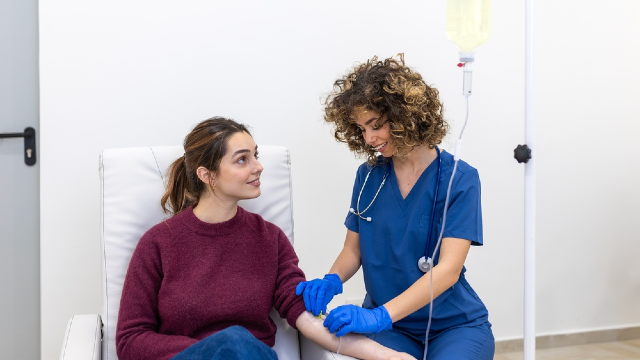
NAD+ IV Therapy for Cellular Energy: An Honest Primer
Learn how NAD+ IV therapy is marketed for cellular energy and aging, what the limited evidence shows, why it is not FDA-approved, and the risks to weigh.
Learn More