Personalized Medical Care & Dedicated International Patient Concierge


Medical Guide
Virtual vs In-Person: What's Needed to Start Care?
A virtual consult can screen candidacy and prioritize testing, but blood draws, IV therapy, and stem-cell treatment require an in-person visit in Seoul.
Schedule a ConsultationVirtual vs In-Person: What's Needed to Start Care?
Medically reviewed by Dr. Seo Young Mee, Founder & Medical Director, Cheongdam Idun Clinic
If you are thinking about traveling to Seoul for functional, metabolic, or regenerative care, a reasonable first question is how much can be accomplished before you board a plane, and what genuinely requires being there in person. The honest answer is that a virtual consultation and an in-person visit do different jobs, and understanding the split saves time, travel, and disappointment. A video call is well suited to screening whether you are a candidate and to prioritizing which tests make sense. Actually starting treatment, however, means being physically present: blood draws, intravenous therapy, and stem-cell procedures cannot happen through a screen. This article explains what each step can and cannot do, why certain parts of care require an in-person visit, and how to sequence the two. It is educational only, not medical advice, and any specific plan should be confirmed with the clinic and a qualified physician who has reviewed your situation.
What a Virtual Consultation Is For
A virtual consultation is, at its heart, a structured conversation. It is a chance to review your medical history, describe your goals, and talk through what care might involve before you commit to travel. Cheongdam Idun Clinic offers a free pre-arrival virtual consultation, typically arranged over a video platform with English communication supported by a coordinator, which makes this planning step accessible to international patients.
Used well, that conversation accomplishes a great deal. You can walk through your past diagnoses, surgeries, current medications and supplements, allergies, and family history, all of which shape what care is appropriate. You can set expectations, ask what the clinic does and does not offer, and get a realistic sense of what a visit would involve, along with practical questions about scheduling, language support, and preparation. General guidance on preparing international travelers stresses that a pre-travel conversation, held well in advance rather than on arrival, is the right time to review your health and plans. Treated that way, the virtual step is preparation and planning, not a shortcut around evaluation.
Screening Candidacy Before You Travel
One of the most useful things a virtual consult can do is help decide whether traveling makes sense at all. By reviewing your history and goals, a clinician can form an early view of whether you are likely to be a candidate for the care you are interested in, or whether something should be addressed with your own physician at home first. This screening is preliminary rather than final, because candidacy for many services depends on in-person assessment and testing, but it still has real value.
The benefit is that you avoid two unwanted outcomes: flying a long distance only to find the clinic is not the right fit, and arriving with expectations an in-person evaluation cannot support. A candid conversation can surface reasons to wait, gather more information, or reconsider, and hearing that before you travel is far better than after. A video call cannot confirm eligibility for a specific therapy or guarantee any outcome. What it can do is give you a realistic sense of whether an in-person visit is worth planning, which is exactly what the pre-travel step exists to support.
Prioritizing Testing Remotely
Beyond screening, a virtual consultation is a good place to think through testing. Functional and metabolic assessments can involve a wide menu of possible tests, and not all are relevant to any one person. Talking through your history and goals before you travel lets the clinic outline which tests may be worth considering and roughly how they fit into a visit, so your time on the ground is used efficiently rather than spent deciding what to do.
This is also the moment to learn about preparation. Some blood tests call for fasting, generally eight to twelve hours for glucose, insulin, and lipid panels, and certain supplements, such as biotin, can interfere with some laboratory tests, which the FDA has warned about. Knowing this in advance means you arrive ready rather than needing to reschedule. Prioritizing tests remotely is planning, not ordering: which tests are ultimately appropriate is a clinical decision made with a physician, and some functional tests are not cleared or validated by the U.S. Food and Drug Administration for the uses they are marketed for. Still, sorting through the options before you fly makes the in-person visit smoother.
What Requires an In-Person Visit
Here is the core of the distinction: the actual delivery of care requires you to be physically present. Several of the services most associated with this kind of clinic simply cannot be provided through a screen, and it is important to understand why.
Blood draws come first. Almost any laboratory testing that depends on a blood sample requires trained staff to collect, handle, and process that sample on site. There is no remote equivalent, so any plan that begins with blood work begins with an in-person appointment. Body composition analysis, using a device you stand on at the clinic, similarly cannot be measured remotely.
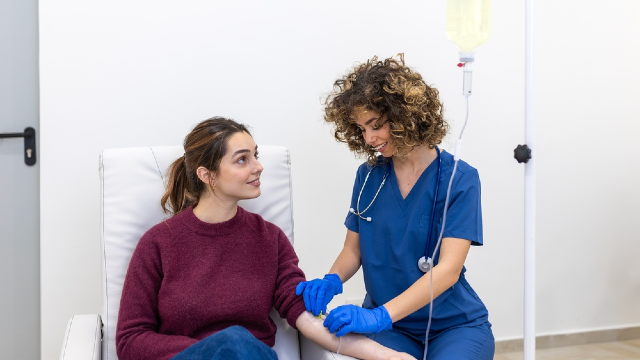
Intravenous therapy must also be given in person. An IV infusion is administered and monitored by staff in a clinical setting, both because that is the only way to deliver it and because patients should be observed during and after an infusion for any reaction. Stem-cell procedures are the clearest example of all: an autologous stem-cell treatment involves collecting and handling your own cells and administering the product, none of which can occur outside the clinic. You can read more about the clinic's overall approach on the Cheongdam Idun Clinic website, but the practical takeaway is that treatment itself happens in person.
Understanding the US Regulatory Status
Before planning any in-person treatment, it is essential to understand where these therapies stand with U.S. regulators, because the picture is not the same as for conventional, approved care. Intravenous vitamin and nutrient therapy is not approved by the FDA for anti-aging or general wellness uses, and it carries real risks, including infection, vein irritation, and, less commonly, fluid or electrolyte problems and allergic reactions. It is not a proven treatment for disease and should be discussed with a physician who can weigh it against your individual situation.
Stem-cell therapy warrants particular care. The FDA has not approved stem-cell products for uses beyond a narrow set of blood-related conditions, and it has warned that unproven stem-cell treatments can carry serious safety risks, including infection and other adverse events. Autologous stem-cell therapy of the kind offered for wellness or anti-aging is not FDA-approved, and no cure, guarantee, or anti-aging promise should be inferred from its availability abroad. This is not a reason for alarm, but a reason to go in with clear eyes, ask direct questions, and make any decision with a qualified clinician rather than on the basis of marketing. Outcomes vary, and honest expectations are part of responsible care.
A Sensible Sequence and Confirming With the Clinic
Putting it together, the practical order for most international patients is virtual first, in-person second. Start with the free pre-arrival consultation to screen candidacy, review your history, and prioritize testing. Then plan the in-person visit around what that conversation reveals, arranging blood draws, any body composition analysis, and any treatments over one or more appointments that fit your itinerary. Because some results take longer than others, with routine labs generally faster than advanced or specialized panels, ask about timing so you can sequence testing and any results-based decisions realistically.
If your interest includes IV therapy or a stem-cell procedure, expect an in-person evaluation before anything proceeds, and a frank discussion of the regulatory status and risks described above. Guidance for people seeking care abroad also encourages confirming what your own insurance covers, keeping copies of your records, and arranging follow-up for when you return home. The most reliable step is to confirm the specifics directly with the clinic, since processes and what any visit involves can differ from one patient to the next. You can begin that conversation and arrange your pre-arrival consultation through the Cheongdam Idun Clinic contact page.
The Bottom Line
- A virtual consultation is for screening candidacy, reviewing your history, and prioritizing testing; it is planning, not diagnosis or treatment.
- Blood draws, body composition analysis, IV therapy, and stem-cell procedures all require an in-person visit and cannot be done through a screen.
- IV therapy is not FDA-approved for anti-aging or wellness, and autologous stem-cell therapy is not FDA-approved; the FDA warns that unproven stem-cell treatments carry safety risks.
- For international patients, the sensible sequence is virtual first, then in-person, arranged around what the pre-travel conversation reveals.
- Confirm candidacy, testing, timing, and any treatment plan directly with the clinic and a qualified physician; nothing here guarantees an outcome, and outcomes vary.
Frequently Asked Questions
Can I start treatment during the virtual consultation?
No. A virtual consultation is for reviewing your history, screening whether you may be a candidate, and prioritizing testing before you travel. Treatments such as IV therapy and stem-cell procedures, as well as blood draws, require an in-person visit. The video call helps you plan that visit rather than replace it.
Why can't blood tests or IV therapy be done remotely?
Blood draws require trained staff to collect and handle a sample on site, and there is no remote equivalent. IV therapy must be administered and monitored in a clinical setting, both to deliver it and to observe you for any reaction. Both are inherently in-person parts of care.
Is stem-cell therapy approved by the FDA?
Autologous stem-cell therapy offered for wellness or anti-aging is not approved by the U.S. Food and Drug Administration, which has approved stem-cell products only for a narrow set of blood-related conditions. The FDA has warned that unproven stem-cell treatments can carry serious safety risks. Discuss the regulatory status and risks with a qualified physician before deciding.
Can a virtual consult confirm I am a candidate for treatment?
Not definitively. A virtual consult can form a preliminary view based on your history and goals, but candidacy for many services depends on in-person assessment and testing. It is better understood as a way to decide whether traveling makes sense, not as final confirmation of eligibility or a guarantee of any result.
What should I prepare for the virtual consultation?
Gather a written summary of your medical history, a current list of medications and supplements with doses, any recent lab results, and your questions and goals. Note allergies and relevant family history. Ask about preparation such as fasting for certain blood tests and whether any supplements should be paused, since some can interfere with lab results.
In what order should I book the virtual and in-person visits?
For most international patients, the virtual consultation comes first because it costs nothing in travel and helps you screen candidacy and plan testing. The in-person visit follows once you and the clinic agree it makes sense. This order helps you avoid unnecessary travel and arrive prepared for the parts of care that require being there.
This article is for educational purposes only and is not medical advice, and it is not a self-diagnosis tool. Some therapies discussed, including intravenous nutrient therapy and autologous stem-cell treatment, are not approved by the United States Food and Drug Administration for the uses they are marketed for and may carry risks; candidacy and any treatment plan require evaluation by a licensed physician, and outcomes vary from person to person. Always consult a qualified clinician before making decisions about your care.
More Articles
Continue reading our clinical guides.

Functional Medicine Panel in Seoul Cheongdam Idun Clinic
Discover what is included in a comprehensive functional medicine panel at Cheongdam Idun Clinic in Seoul. Expert biomarker testing led by Asan trained doctors.
Learn More

Botox Seoul 2026: Costs Results And Expert Clinic Guide
Discover the definitive 2026 guide to botox Seoul at Cheongdam Idun Clinic. Get expert insights on costs results and safety from Asan Medical Center specialists.
Learn More
NAD+ IV Therapy for Cellular Energy: An Honest Primer
Learn how NAD+ IV therapy is marketed for cellular energy and aging, what the limited evidence shows, why it is not FDA-approved, and the risks to weigh.
Learn More